{{unknown}}
FOR THE POWERPOINT: CLICK HERE
FOR FULL LINK TO THE REFLECTION: CLICK HERE
https://www.oikoumene.org/en/resources/documents/commissions/mission-and-evangelism/bible-study-2-cwme-arusha-tanzania/
Current Activity
Current Activity
Magnanimous Leadership
 Magnanimous Leadership
Sahaya G. Selvam
In 1925, Pope Pius XI introduced the feast of Christ the King as a warning against the totalitarian leaders that were cropping up in the early part of the 20th century. It was a statement against the situation of Europe between the two World Wars. Today, the feast invites us to do a soul-searching of our own leadership style.
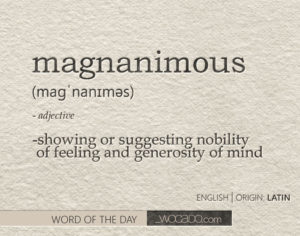
Scholars and experts have proposed different models and styles of leadership. Among positive styles of leadership are: Visionary Leadership, Situational Leadership, Participatory Leadership, Transactional Leadership, Transformational Leadership, Servant Leadership. Integrating most of these styles, I would like to propose a model of leadership which I call, “Magnanimous Leadership”. As I live through the political turmoil in Kenya, I dare suggest, that Kenya today needs Magnanimous Leadership.
The word, ‘magnanimous’ signifies an attitude of being […]
School of Discipleship
HSI Schools of Discipleship are spearheading a major revival in the Church by teaching people the faith with three express purposes: to learn it, to live it, and to share it. Thousands of students in over 50 schools around the world are now living powerful lives of faith and outreach as they fulfill the Great Commission given by Jesus: to make disciples of all nations.
Epiphany Video
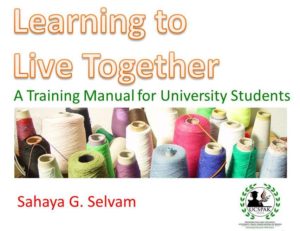
Learning to Live Together: Training Manual for Free Download
 How to use this Manual?
Who is susceptible to religious or ethnic radicalization? What is the average profile of people who are already radicalized: male; aged between 15 and 35; belonging to a particular religion; unemployed; uneducated; a person with criminal background; traumatized; from broken families? No. There is no profile of such a person. Everyone is susceptible to religious or ethnic radicalization and extremism.
Most of us may not take up violence to express our extreme positions. However, in our judgement, in our expressions, in our daily encounters, we might lack empathy to our neighbor, particularly those who are different from us: in race, religion, ethnicity, nationality, and whatever. This attitude could breed into violent extremism and radicalization!
The sole aim of this training manual is to help the participants […]